Alpha-lipoic acid is easy to oversell. It is made by the body, it takes part in mitochondrial energy metabolism, and researchers have studied it in several clinical settings. None of those facts, however, turns every capsule into an “antioxidant treatment”. The most useful way to look at ALA is to separate its established biochemistry from the much narrower evidence in people—and then check the safety questions that product pages often skip.
Key takeaways
Alpha-lipoic acid (ALA, also called thioctic acid) is a cofactor used by mitochondrial enzyme systems. That biological role is well established, but it does not by itself prove a benefit from supplementation.
Human research has concentrated mainly on symptoms of diabetic peripheral neuropathy. Some trials and reviews report improvements, while the size and clinical importance of the effect—especially with oral use—remain uncertain.
Claims about blood glucose, cholesterol, fat burning, nerve protection and protection of body lipids from oxidative damage are not authorised health claims for ALA.
EFSA found that ALA added to foods and supplements is likely to increase the risk of insulin autoimmune syndrome in genetically susceptible people. No universally risk-free supplemental dose could be identified from the available data.
R-ALA and standard mixed ALA are chemically different, but most clinical research used the mixed form. A higher price for R-ALA is not proof of a better clinical result.
What alpha-lipoic acid is—and what that does not prove
Alpha-lipoic acid is not an exotic substance invented for supplements. Human cells make it in small amounts, and enzyme complexes inside mitochondria use its protein-bound form when converting nutrients into energy. It can also take part in redox reactions, and laboratory work has examined interactions with antioxidant systems such as glutathione and vitamins C and E.
This is interesting biochemistry, but it is also where many articles take an unjustified shortcut. A mechanism shows that something can happen in a cell or test system; it does not tell us whether swallowing a capsule produces a meaningful outcome in a person. Absorption, metabolism, dose, health status and study duration all sit between those two statements.
ALA occurs as two mirror-image forms. R-ALA is the form involved in human enzyme systems; S-ALA is produced during conventional chemical manufacture. Standard “alpha-lipoic acid” is usually a 50:50 mixture unless the label specifies R-ALA. That distinction is real, but its importance for buyers is less settled than marketing often suggests.
What human research has actually studied
The best-developed clinical literature concerns diabetic peripheral neuropathy: nerve damage associated with diabetes that can cause burning, tingling, pain or numbness, usually in the feet and legs. Researchers have tested both intravenous ALA in medical settings and oral ALA over periods ranging from weeks to months.
Several short trials and meta-analyses report lower symptom scores than placebo. The route matters. Intravenous protocols are medical treatment and cannot be translated into advice for an over-the-counter capsule. Evidence for oral use is mixed: some analyses find improvements in symptom scores, while others question whether the size of the change is clinically meaningful. One large seven-month trial did not find a clinically meaningful difference in neuropathic symptoms between the sequential ALA regimen and placebo.
That makes “proven use” too blunt a summary. A more accurate conclusion is that neuropathy is the best-studied clinical context for ALA, but it remains a medical question, not a general reason to self-treat with a supplement. Anyone with diabetes, unexplained tingling, burning pain or numbness needs assessment of the cause rather than a product recommendation.
Research on body weight, blood glucose, cognition, exercise recovery and broad “anti-ageing” effects is less consistent. Small changes in a laboratory marker are not automatically changes a person can feel, and a pooled average does not guarantee an individual result.
Alpha-lipoic acid at a glance: established biochemistry, narrower human research and an important safety uncertainty.
Why the label sounds more restrained than the research paper
A research paper may discuss a disease outcome because it reports a clinical experiment. A food-supplement label or shop page operates under different rules: it cannot present a product as preventing, treating or curing disease, and health claims must be authorised before they are used in marketing.
ALA is a useful example. Assessments recorded in the EU health-claims register did not substantiate proposed claims for protection of body lipids from oxidative damage, normal blood cholesterol, fat burning, normal blood glucose or increased insulin sensitivity. A proposed “protection of the nervous system” claim was also non-authorised because it referred to disease prevention or treatment. EFSA assesses the scientific evidence; authorisation is decided within the EU regulatory process. In the Netherlands, the NVWA enforces the same distinction between permitted health information and prohibited medical claims.
This does not make clinical research disappear. It means that evidence from a specific patient group cannot be turned into a promise for a retail supplement. The honest place for the nuance is in an educational article, clearly separated from the product cards.
Safety: the warning that deserves more attention
Nausea, stomach upset, vomiting, headache and skin reactions have been reported in studies and safety reviews. ALA may also lower blood glucose, so combining it with insulin or other glucose-lowering medication without professional guidance is unwise. People receiving treatment for diabetes or thyroid disease, and anyone who is pregnant or breastfeeding, should discuss use with a doctor or pharmacist first.
There is also a rarer issue that is easy to miss. In 2021 EFSA reviewed 49 case reports of insulin autoimmune syndrome (IAS, or Hirata’s disease) after ALA intake. In susceptible people, the immune system produces antibodies against insulin and episodes of low blood glucose can follow. The relevant genetic susceptibility cannot normally be identified without testing.
EFSA concluded that ALA added to food—including supplements—is likely to increase IAS risk in people with certain genetic variants. The condition appears uncommon in Europe, but the available data were too limited to quantify an individual risk or define a dose below which IAS would not be expected. That is not the same as saying every dose is dangerous; it means there is no scientifically established, universally risk-free supplemental threshold.
Stop using the product and seek medical advice if symptoms compatible with low blood glucose occur, such as sweating, trembling, marked hunger, confusion, dizziness or fainting. Severe or rapidly worsening symptoms require urgent medical attention.
R-ALA versus mixed ALA
R-ALA is the naturally occurring stereoisomer, while ordinary ALA usually contains equal amounts of R- and S-ALA. Some R-ALA products use a stabilised salt because free R-ALA is less stable during manufacture and storage.
It is tempting to turn this chemistry into a simple buying rule—“natural form equals better product”—but the clinical evidence does not make that leap easy. Much of the research discussed above used the mixed form. Pharmacokinetic studies can show different blood concentrations without proving a more important health outcome. Compare the form, amount per serving, directions and price per serving; do not treat “R” on the front label as a clinical guarantee.
Food sources and supplement amounts are different questions
Small amounts of protein-bound lipoic acid occur in foods such as organ meat, red meat, spinach, broccoli and tomatoes. The body also makes ALA for its own enzyme systems. These dietary amounts are not comparable with the hundreds of milligrams used in many supplement trials, and normal foods have not been linked to IAS in the EFSA review.
That distinction matters. Saying that a compound “occurs naturally in food” tells us where it can be found; it does not establish the safety or usefulness of a concentrated supplement.
A practical label checklist
If you are considering ALA after checking that it suits your circumstances, look past the front-of-pack claims:
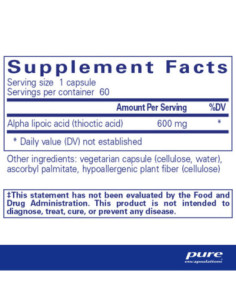
Amount per serving: check capsules per serving as well as milligrams per capsule.
Form: does the label state mixed ALA, R-ALA or a stabilised R-lipoate salt?
Full composition: read the excipients, capsule material and allergen information.
Directions and warnings: follow the product label; a dose used in a clinical study is not a personal recommendation.
Traceability: prefer an identifiable manufacturer, lot number and clear contact details.
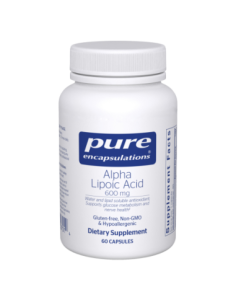
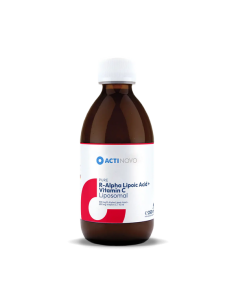
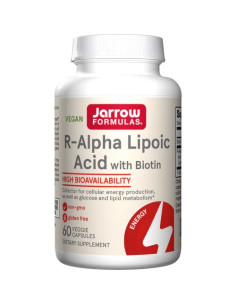
The four products shown below illustrate different forms and strengths from different manufacturers. They are shopping options, not endorsements of a medical use, and their inclusion does not mean they reproduce the results of a named trial.
A realistic perspective
ALA is genuinely interesting because its biochemical role is clear and its clinical literature is more substantial than the evidence behind many fashionable single-ingredient supplements. The catch is that these two strengths are often blended into a bigger claim than the data can carry.
The useful dividing line is simple. Mechanistic evidence explains why researchers became interested. Human trials test whether that interest translates into an outcome. Food law determines what a retail product may promise. Safety assessment asks a different question again—and the unresolved IAS threshold is important even though the reaction is rare.
For a healthy shopper looking for a general antioxidant or “anti-ageing” shortcut, the case is not compelling. For someone considering ALA in relation to diabetes or nerve symptoms, the subject belongs in a conversation with a healthcare professional, not in a self-designed supplement protocol.
— Lexa
This article provides general information and is not a substitute for individual medical advice.
Formulated to be hypoallergenic, this product supplies alpha lipoic acid, a versatile antioxidant.
Both fat- and water-soluble, functioning in both fatty and aqueous parts of the cell.
Food supplement with R-alpha lipoic acid and vitamin C in liposomal form.
R-Alpha-Lipoic Acid + Vitamin C Liposomal by ActiNovo Pure provides R-alpha lipoic acid and vitamin C in a liquid liposomal format for convenient daily supplementation.