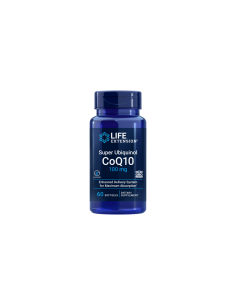
Coenzyme Q10 is often sold with a long list of promises. Research in people is far more limited than the marketing suggests. Researchers have studied it as an addition to standard care in heart failure, for migraine prevention and for muscle symptoms reported by some statin users. Some findings are encouraging, while others show no clear benefit. CoQ10 should therefore not be presented as a treatment for any of these conditions. Anyone taking warfarin or receiving cancer treatment should discuss it with the prescribing team before use.
Key takeaways:
- Some studies involving people with heart failure reported improvements when CoQ10 was added to standard treatment, but the results are not consistent enough to regard a supplement as heart-failure therapy.
- Migraine studies suggest a possible preventive effect after several months; the evidence does not support a quick treatment for an attack.
- Studies of statin-associated muscle symptoms have produced mixed results. Muscle pain should first be discussed with the prescriber rather than managed by stopping a statin or self-treating.
- Ubiquinol is generally absorbed better than ubiquinone, but clinical benefits between forms are still under investigation; taking CoQ10 with fat improves absorption.
- CoQ10 is usually safe but can interact with blood thinners and chemotherapy drugs, so check with a doctor or pharmacist before starting it.
Table of Contents
What is CoQ10 and how does it support cellular energy?
Coenzyme Q10 (CoQ10) is a fat-soluble, vitamin-like compound your body makes naturally and stores inside mitochondria, the structures that generate cellular energy. It works as an electron carrier in the process that produces ATP, the molecule cells rely on for fuel. This is why heart muscle, liver, and kidney tissue, all high energy users, carry the largest CoQ10 concentrations.
CoQ10 also functions as an antioxidant, protecting mitochondrial membranes and lipids from oxidative damage and helping regenerate vitamin E in the process, according to the Linus Pauling Institute.
- CoQ10 exists in two forms in the body: ubiquinone (oxidised) and ubiquinol (reduced).
- Tissue levels of CoQ10 tend to fall with age, which is one reason interest in supplementation grows later in life.
- Certain medications, notably statins, can further lower natural CoQ10 production.
Where the evidence for CoQ10 heart health is strongest
Heart failure is one of the most studied clinical settings for CoQ10. Some randomised trials and meta-analyses discussed in StatPearls reported improvements when CoQ10 was added to standard treatment. Other reviews have judged the evidence uncertain because studies were small, used different doses and measured different outcomes.
What the trials measured: Selected long-term studies reported fewer hospital stays or cardiovascular deaths. These were studies in diagnosed patients receiving medical care, not evidence that a retail supplement prevents or treats heart disease in the general population.
The mechanistic case fits the clinical signal. CoQ10 supports mitochondrial function in stressed heart muscle and appears to improve endothelial function, the lining of blood vessels that governs how well they dilate and respond to blood flow. Some long-term studies have paired CoQ10 with selenium in older adults and reported cardiovascular mortality benefits, though this combination finding does not generalise to younger or healthier populations.
None of this makes CoQ10 a universal heart supplement. Trial populations tend to be patients already diagnosed with heart failure, dosing protocols differ between studies, and several reviews flag meaningful heterogeneity in design and outcome measures. The Merck Manual notes this variability directly and cautions against treating early results as settled science for the wider population.
Migraine, energy and exercise: what the evidence shows
Migraine prevention has also been studied in humans. Small trials and reviews report possible reductions in attack frequency or duration with regular use, but sample sizes and methods limit confidence in the size of any benefit.
- Migraine studies typically show benefit only after consistent supplementation over several months, not immediately.
- Exercise performance benefits in otherwise healthy adults are inconsistent across trials, with several showing no measurable improvement in stamina or output.
- Primary CoQ10 deficiency and some mitochondrial disorders are medical conditions; their management should not be confused with routine supplementation in healthy people.
This pattern matters for expectations. The data does not reliably support a workout boost in healthy adults. Recurrent migraine or a suspected mitochondrial disorder is a reason for a clinical conversation, not a cue to copy a study dose from the internet.
Statins and CoQ10: the connection to muscle symptoms
Statins lower cholesterol by blocking an enzyme in the mevalonate pathway, the same biochemical route your body uses to produce CoQ10. Blocking that pathway for cholesterol synthesis also reduces natural CoQ10 output, which is the biological reason researchers have investigated whether statin users benefit from supplementing it.
- Some meta-analyses suggest CoQ10 supplementation may ease statin-associated muscle symptoms such as aches and weakness, though results are mixed.
- Other trials find no significant difference between CoQ10 and placebo for these symptoms, so the picture remains genuinely mixed.
- The Mayo Clinic notes that reduced CoQ10 levels are common in statin users, alongside a reminder that supplement decisions should involve the prescribing clinician.
If muscle symptoms are affecting your statin adherence, that conversation belongs with the doctor who prescribed the medication, not a self-directed supplement trial.
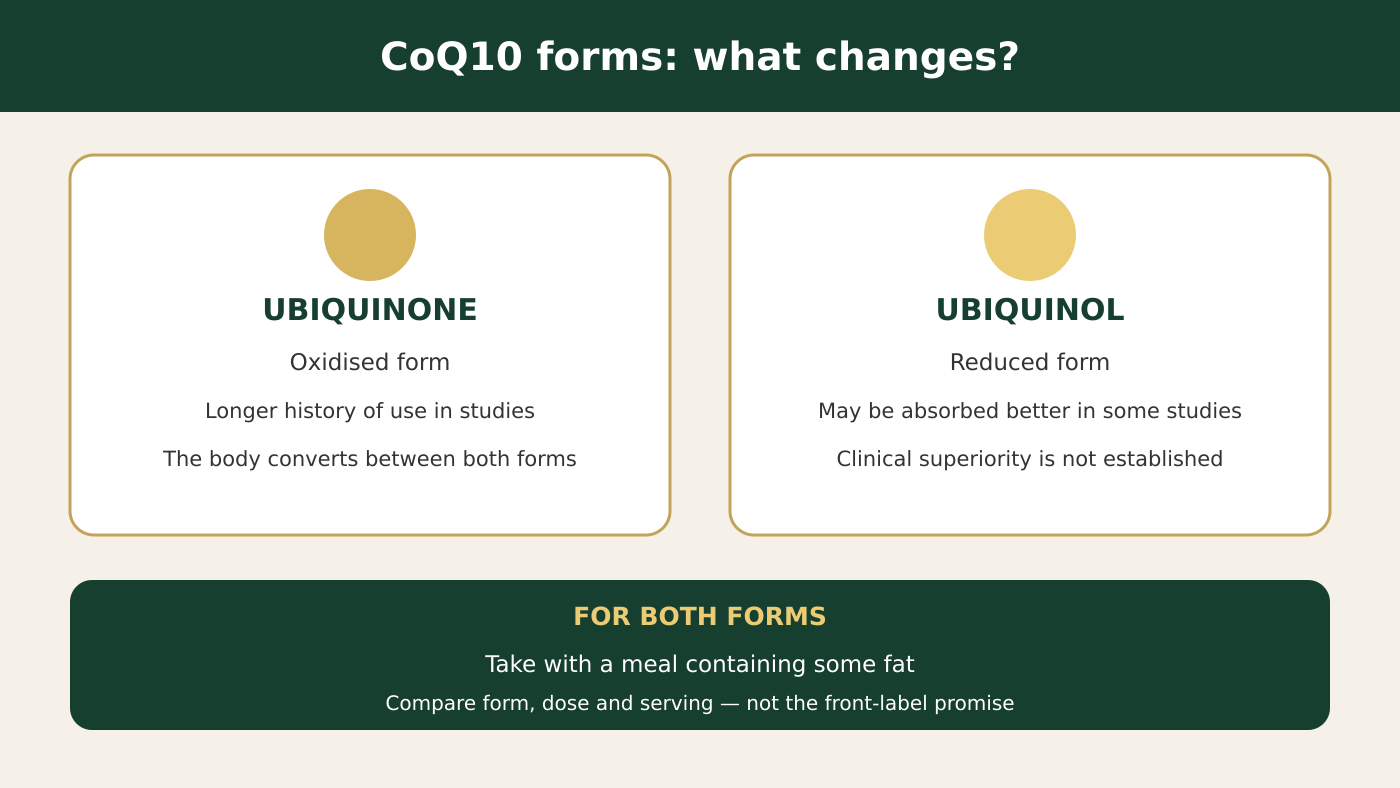
Ubiquinone is the oxidised form and the one your body converts before use; ubiquinol is the pre-reduced form. Pharmacokinetic research suggests ubiquinol shows improved absorption in some studies, though clinical superiority for actual health outcomes remains under investigation rather than settled.
Because CoQ10 is fat-soluble, absorption improves meaningfully when it's taken with a meal containing some fat, and oil-based softgel formulations tend to outperform dry tablets for uptake.
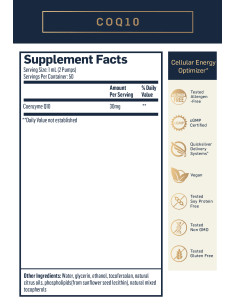
Pro Tip: Check the product label for the specific form (ubiquinone or ubiquinol), the softgel or oil-based delivery method, and evidence of batch testing from the manufacturer before comparing price across brands.
Is CoQ10 safe, and what interactions should you know about?
CoQ10 is generally well tolerated. Reported side effects tend to be mild and include digestive upset, headache, or insomnia in some users, according to the Mayo Clinic.
Two interaction categories deserve particular attention: anticoagulants such as warfarin, where CoQ10 may reduce the drug's blood-thinning effect, and certain chemotherapy agents, where interactions are still being studied. Anyone on either type of medication should raise CoQ10 with their prescribing doctor before starting it.
- Mild gastrointestinal discomfort is the most commonly reported side effect.
- Warfarin and other anticoagulants carry the clearest documented interaction risk.
- Some chemotherapy regimens may interact with CoQ10's antioxidant activity, so oncology teams should be consulted first.
Follow the dosing information on the product label rather than generic online guidance. For anyone taking prescription medication, advice from the prescriber or pharmacist should decide whether and how it is used.
What can legally be claimed about CoQ10?
Clinical research and product advertising are not the same thing. The EU Register contains no generally authorised CoQ10 health claim for heart function, migraine, energy, antioxidant protection or statin-related muscle symptoms. It also records non-authorised CoQ10 claims, including one concerning the maintenance of healthy brain function. A shop may accurately discuss identified studies in a balanced educational article, but it may not turn their findings into a promise that a food supplement prevents, treats or cures disease. The Dutch NVWA applies the same practical boundary in its guidance on claims for foods and supplements.
Who may plausibly benefit from CoQ10?
Research is concentrated in a handful of groups rather than the general population. Cleveland Clinic likewise presents CoQ10 as a supplement considered for particular situations, not something everyone needs.
- Older adults, since natural CoQ10 levels decline with age.
- People on statin therapy who experience muscle symptoms, in consultation with their doctor.
- People with frequent migraines who have discussed prevention options with a healthcare professional.
- Individuals with diagnosed or suspected primary CoQ10 deficiency, under specialist care.
Anyone managing a complex condition or taking multiple medications should raise CoQ10 with a specialist before adding it, rather than treating this list as a self-diagnosis tool.
The realistic verdict on CoQ10 supplementation
The most useful conclusion is narrower than the marketing. CoQ10 has been studied in heart failure, migraine prevention and statin-associated muscle symptoms, but confidence differs between outcomes and none of these uses should be presented as a promise for a retail supplement. Check the form and dose, ask about interactions when medication is involved, and remember that supplementation is optional for most people.
Why the evidence deserves more nuance than most headlines give it
The biggest problem with CoQ10 coverage isn't inaccuracy, it's flattening. Articles routinely present it as either a miracle antioxidant or dismiss it entirely, when the actual evidence is more interesting than either extreme: genuinely strong in a few narrow contexts, genuinely weak in others, and the line between them matters enormously for anyone deciding whether to spend money on it.
What often gets overlooked is the timeframe. Migraine trials generally evaluate prevention over weeks or months, not relief within hours. That does not prove that everyone should persist for three months; it explains why a preventive trial and a quick-energy claim are answering different questions.
The statin conversation gets oversimplified too. It's tempting to frame CoQ10 as a fix for statin-related muscle aches, but the trial evidence genuinely splits both ways. That's not a reason to avoid it, it's a reason to have that specific conversation with the doctor who prescribed the statin rather than deciding alone.
The practical dividing line is medical context. Heart failure, frequent migraine, suspected deficiency and troublesome symptoms during statin treatment all deserve professional assessment. For a healthy shopper looking for more energy or broad “anti-ageing” effects, the evidence is far less persuasive.
— Lexa
Where to find quality-checked CoQ10 supplements
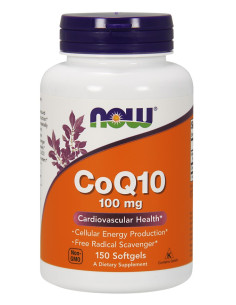
When comparing CoQ10 products, start with the amount per serving and whether the label specifies ubiquinone or ubiquinol. Oil-based softgels are common because CoQ10 is fat-soluble. Price comparisons only make sense after checking serving size, form and directions for use.
The Vita-Store range includes CoQ10 products from several established manufacturers. These are food supplements, not medicines, and their presence below should not be read as evidence that an individual product reproduces the results of a named clinical trial.
This article is general information, not a substitute for advice from a qualified doctor. Consult a qualified healthcare professional about your own circumstances before acting on anything here.
Sources