Zinc is one of the better-known ingredients in the cold-remedy aisle, but its reputation is more straightforward than the evidence. A large systematic review found little or no preventive effect and a possible reduction in the duration of an existing cold. Confidence in that estimate was low, and minor adverse effects were more common with zinc. The formulation matters too: results from dissolving lozenges cannot simply be transferred to ordinary zinc capsules.
Key takeaways:
- A 2024 Cochrane review found that zinc used for treatment may shorten a cold, but the estimate of about 2.4 days was based on low-certainty evidence.
- The studies used different salts, doses and delivery forms. A result obtained with a slowly dissolving lozenge does not prove that a swallowed capsule has the same effect.
- Nasal zinc has been linked to loss of smell and is not a sensible substitute for oral products.
- For adults, the upper level for long-term intake is 25 mg zinc per day from all sources. Some cold trials used more, so a trial dose should not be copied as an everyday supplement routine.
- Research findings cannot be turned into product promises. The authorised wording is narrower: zinc contributes to the normal function of the immune system.
Table of Contents
Does zinc help a cold? What the systematic reviews and major trials show
The clearest answer comes from a 2024 Cochrane systematic review, which pooled 34 studies covering 8,526 participants across both prevention and treatment questions. For prevention, the conclusion is fairly clear: zinc probably makes little or no meaningful difference to whether you catch a cold in the first place.
The treatment evidence is more nuanced. Eight trials involving symptomatic participants found that zinc shortened cold duration by an average of a modest amount compared with placebo.
What the numbers show: Across eight treatment trials (972 participants), zinc reduced average cold duration by approximately 2.37 days, according to the Cochrane review. The same review rated this evidence as low certainty and noted that non-serious adverse events rose by 34% (RR 1.34) in the zinc groups.
That combination—a potentially useful result paired with weak confidence in its exact size—is why clinical guidance remains cautious. Mayo Clinic also notes that results differ between studies. The more useful question is not simply whether “zinc works”, but which formulation was tested, when it was started and how much elemental zinc it supplied.
What "low certainty" actually means for you:
- The direction of effect (shorter duration) is probably real, but the size of that effect could shrink or grow with better trials.
- Trials varied so much in design that pooling their results loses precision.
- More adverse events occurred in zinc groups, so any benefit has to be weighed against a real cost.
Why do zinc trials disagree? Dose, salt, and lozenge design
Trial results scatter partly because "zinc" is not one product. The Cochrane review itself notes that zinc salt, excipients, and dosing schedules vary widely between studies, so comparing headline results across trials means comparing genuinely different interventions.
Zinc gluconate and zinc acetate are the two salts most often tested in lozenge form, and research into their mechanisms suggests the salt matters because it affects how much free zinc ion is released in the mouth. A PMC research article on zinc lozenges points to this as the largest single source of inconsistency across trials, more influential than total daily dose alone.
Formulation matters just as much as the salt. Lozenges designed to dissolve slowly in the mouth are thought to work through direct contact between zinc ions and the oropharyngeal tissue, sometimes called the oropharyngeal exposure hypothesis. Swallowed capsules bypass that local contact entirely, which may explain why oral capsule trials often show weaker effects than lozenge trials, even at similar total doses.
Timing appears in several trial protocols too. Studies that started zinc within 24 hours of symptom onset tended to report larger effects than those starting later, though this observation comes from trial design patterns rather than a single confirmed threshold.
When reading a zinc trial, check the following:
- Salt form: gluconate and acetate dominate lozenge research; other salts are less studied.
- Delivery: dissolved lozenges versus swallowed capsules may produce different local exposure.
- Onset window: earlier use is more commonly linked with reported benefit.
- Risk of bias: many included trials had design weaknesses that limit how much weight any single result deserves.
What the numbers show: The Cochrane review's pooled treatment analysis rested on just 8 of the 34 total trials, a reminder that headline duration figures come from a comparatively small slice of the overall evidence base.
Form changes both the potential benefit and the risk profile, and nowhere is that clearer than with intranasal products. Reports linking intranasal zinc to anosmia, a lasting loss of the sense of smell, are well documented enough that medical authorities advise against nasal zinc sprays altogether. This is one of the few genuinely unambiguous safety signals in the entire zinc-for-colds literature.
Oral lozenges and capsules can also cause side effects. Trial data consistently report:
- Metallic or unpleasant taste, especially with lozenges that linger in the mouth.
- Nausea and general stomach upset, more common at higher doses.
- Mouth irritation in some formulations.
Taking oral zinc with food may reduce stomach upset. A lozenge used in a clinical trial, however, is a particular formulation intended to dissolve in the mouth; swallowing a different product with a meal should not be presented as an equivalent intervention.
There is a longer-term consideration too. Prolonged high zinc intake can interfere with copper status. That is why a short experimental protocol cannot automatically be converted into a standing daily supplement routine.
Practical note: A metallic or unpleasant taste was commonly reported in lozenge studies. Persistent nausea is a reason to stop and seek advice. Any nasal product containing zinc deserves particular caution because the smell-loss signal concerns intranasal exposure.
Safety limits and permitted claims
Zinc has several authorised general-function claims, including that it contributes to the normal function of the immune system. Those claims may be used only when the product meets the applicable conditions set by Regulation (EC) No 1924/2006.
That is not permission to say that a zinc supplement prevents, treats or cures a cold. The distinction matters especially on a shop blog: describing the findings of named studies is different from turning those findings into a promise about a product sold on the same page.
The practical boundary is simple: foods and supplements must not be promoted as preventing, treating or curing disease. The Dutch NVWA states this explicitly. “Contributes to the normal function of the immune system” is an authorised health claim; “shortens your cold” is not an acceptable product claim.
For safety, the adult tolerable upper intake level is 25 mg zinc per day from all dietary sources. This is a limit for habitual, long-term intake, not a recommended dose and not a guarantee that everyone will tolerate that amount. It also creates an important tension in this topic: several lozenge trials used daily amounts above 25 mg for a short period. Reporting those study protocols does not turn them into suitable self-dosing instructions.
A short safe-use checklist worth keeping in mind:
- Avoid intranasal zinc products because of the reported association with loss of smell.
- Follow the directions and the amount of elemental zinc stated on the product label rather than copying a dose from a trial.
- Stop use and seek professional advice if you notice persistent nausea, taste loss, or smell changes.
- Zinc can reduce the absorption of some antibiotics and penicillamine. If you use medicines, ask a pharmacist about timing and interactions before adding a concentrated zinc product.
What the numbers show: The Cochrane review found non-serious adverse events were 34% more common in zinc treatment groups than placebo groups, underlining why label directions and upper limits matter even for short-term use.
What to consider when choosing a zinc supplement
The evidence does not support treating zinc as a replacement for ordinary cold care. Rest, fluids and appropriate symptom relief still do most of the practical work. If you are considering an oral zinc product, the checklist below helps separate the study details from the marketing shorthand.
Before choosing a product, work through this checklist:
- Look at what was actually studied. Earlier use appears frequently in trial protocols, but there is no universally established cut-off that applies to every zinc product.
- Choose a safe form. Oral lozenges or capsules only, never intranasal sprays.
- Read the label. Note the zinc salt used and the manufacturer's directions rather than guessing at a dose.
- Check the total amount and interactions. Add up zinc from all supplements, and ask a pharmacist if you take antibiotics, penicillamine or other regular medicines.
- Watch for side effects. Metallic taste and mild stomach upset are common; smell changes or persistent nausea are not, and warrant stopping.
- Consult a professional if unsure. Especially relevant for pregnancy, chronic conditions, or long-term supplement use.

What the studies measured — and what that means in practice
The headline figure needs context. An average reduction of about two days came from a small, varied and low-certainty set of treatment trials. Different products delivered zinc in different ways, and adverse effects were more common. That makes the research worth knowing about, but unsuitable as a promise attached to every bottle that happens to contain zinc.
— Lexa
How to compare zinc supplements
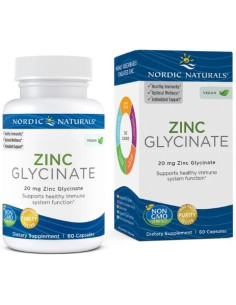
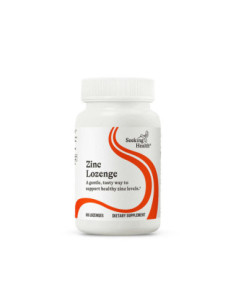
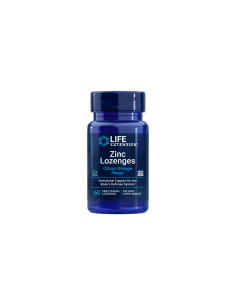
When comparing zinc supplements, check the chemical form, the amount of elemental zinc per daily serving and the directions for use. The Vita-Store range includes products from several brands and in different forms. None should be assumed to reproduce the results of a lozenge trial simply because zinc appears on the front of the pack.
Sources