Magnesium is one of the most widely used mineral supplements in Europe — and for good reason. It plays a role in hundreds of enzymatic processes in the body, and many people simply don't get enough from diet alone. But walk into any health food shop and you'll find magnesium glycinate, citrate, malate, oxide, threonate — and more. Which one should you choose?
This guide breaks down the most common mineral forms, explains the differences in absorption and application, and helps you find the right fit for your individual needs.
Why Mineral Form Matters
Minerals are bound to a carrier molecule that affects how well they are absorbed in the gut. Chelated minerals — where the mineral is bound to an amino acid — are generally considered among the most bioavailable forms. Albion®, a leading mineral research company, holds numerous patents on chelated mineral forms and their technology is used by several premium supplement brands.
Cheaper forms like magnesium oxide or iron sulphate are less expensive to produce but tend to be less well absorbed and harder on the digestive system.
Magnesium — Which Form for Which Need?
Magnesium Glycinate
Magnesium bound to glycine — a calming amino acid. Highly bioavailable and gentle on the stomach. A popular choice for those using magnesium as part of a daily routine for relaxation and sleep support. Less likely to cause digestive discomfort than citrate or oxide.
Magnesium Malate
Magnesium bound to malic acid, which is involved in energy production (the Krebs cycle). Often chosen by those looking for magnesium support during the day rather than at night — popular among individuals with muscle-related concerns and those following active lifestyles.
Magnesium Citrate
A well-absorbed, widely available form. Magnesium citrate has a mild laxative effect at higher doses, making it a common choice for those who also want digestive regularity support. Not ideal for those with sensitive digestion.
Magnesium Threonate
A newer form developed by researchers at MIT, magnesium threonate is noted for its ability to cross the blood-brain barrier more effectively than other forms. It is used by those interested in cognitive and neurological applications as part of a targeted nutritional approach, and is typically taken under the guidance of a healthcare practitioner.
Quick Reference Guide
- Sleep & relaxation support → Magnesium Glycinate
- Energy & muscle support → Magnesium Malate
- Digestive regularity → Magnesium Citrate
- Cognitive support protocol → Magnesium Threonate
- Sensitive stomach → Glycinate or Malate (avoid oxide and sulphate)
Iron — Gentle Forms for Sensitive Stomachs
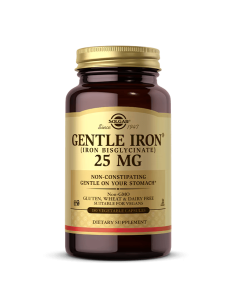
Standard iron supplements (ferrous sulphate) are notorious for causing digestive discomfort — nausea, constipation, and stomach cramps are common complaints. Chelated iron forms, such as iron bisglycinate, are absorbed efficiently at lower doses and are significantly gentler on the digestive system.
If you have previously experienced discomfort with standard iron supplements, a gentle chelated form may be worth considering. Always consult a healthcare practitioner before starting iron supplementation, as iron levels should ideally be confirmed with a blood test.
Zinc — Forms and Considerations
Zinc picolinate and zinc bisglycinate are among the most bioavailable forms of zinc. Zinc oxide — found in many cheaper supplements — is considerably less well absorbed. For immune, skin, and hormonal support as part of a balanced diet, a well-absorbed chelated zinc form is preferable.
Note: zinc should always be balanced with copper when taken long-term. Many practitioner-grade formulas include this balance.
Albion® Chelated Minerals
Albion® is a mineral research company whose patented chelation technology is used by leading supplement brands worldwide. Products using Albion® minerals are typically clearly labelled and are a reliable indicator of a well-absorbed, high-quality mineral form. Several products in our range use Albion® mineral forms.
How to Choose
- Look for chelated forms — glycinate, malate, picolinate, bisglycinate
- Avoid oxide and sulphate forms where possible — lower absorption, harder on digestion
- Check for Albion® labelling as a quality indicator
- Consider timing — malate in the morning, glycinate in the evening
- Consult a practitioner for iron supplementation or complex mineral protocols
Browse our full mineral range at Vita-Store →
Food supplements should not be used as a substitute for a varied and balanced diet and a healthy lifestyle. If you are pregnant, breastfeeding, or under medical supervision, consult your healthcare provider before use. Iron supplementation should be guided by a healthcare professional.