Why Do We Feel More Tired in Summer? Understanding Sleep, Heat and Your Body Clock
Summer is often associated with sunshine, holidays and more time outdoors. It is the season many of us look forward to all year. Yet despite the longer days and warmer weather, it's surprisingly common to feel more tired than expected.
If you've ever wondered why your energy seems lower during summer—even when you're sleeping for the same number of hours—you're not alone. Summer fatigue is a common experience and is often linked to changes in sleep patterns, longer daylight hours, warmer temperatures, travel, hydration and daily routines.
The good news is that these factors are usually manageable. By understanding what changes during summer and how your body responds, you can make small adjustments that help support better sleep, steadier energy and overall wellbeing.
In this guide, we'll explore why summer can leave you feeling unexpectedly tired, explain the science behind your body's internal clock, and share practical, evidence-based habits that may help you enjoy the season with more energy.
Key Takeaways
- Feeling more tired during summer is common and usually has several contributing factors.
- Longer daylight hours may influence your body's natural sleep-wake rhythm.
- Heat, dehydration and disrupted routines can all reduce sleep quality.
- Good sleep depends on more than just the number of hours you spend in bed.
- Magnesium contributes to normal energy-yielding metabolism, normal nervous system function and the reduction of tiredness and fatigue.
- Simple lifestyle habits often make a bigger difference than people expect.
Why Does Summer Sometimes Leave Us Feeling More Tired?
At first glance, summer should be the season of endless energy. We spend more time outside, many people take holidays, and natural daylight is abundant. However, the same seasonal changes that make summer enjoyable can also challenge the body's natural balance.
Longer evenings often encourage us to stay awake later. Outdoor dining, social events, holidays and travel can shift our usual routines by several hours without us even noticing. Over time, these small changes can reduce sleep quality, even if we still spend seven or eight hours in bed.
Temperature also plays an important role. The body naturally lowers its core temperature before sleep. On warm summer nights, this cooling process becomes more difficult, making it harder to fall asleep and increasing the chance of waking during the night.
Hydration is another frequently overlooked factor. Higher temperatures increase fluid loss through sweating. Even mild dehydration may contribute to reduced concentration, headaches and feelings of fatigue.
Rather than being caused by one single issue, summer fatigue is often the result of several small lifestyle changes happening at the same time.
Quick Fact
Summer fatigue isn't an illness. It usually reflects a combination of longer daylight, warmer temperatures, disrupted routines, travel, hydration changes and lighter sleep.
Your Circadian Rhythm: The Body's Internal Clock
Every day, your body follows an internal 24-hour cycle known as the circadian rhythm. This biological clock influences when you naturally feel alert, when you become sleepy, how your body regulates temperature and even how certain hormones are released throughout the day.
One of the strongest signals controlling this rhythm is light. Morning sunlight helps tell your brain that the day has begun, increasing alertness and helping to synchronise your body's internal timing. As daylight fades in the evening, your body gradually prepares for sleep.
During summer, this natural process changes. Sunsets occur much later, particularly across Northern Europe, meaning your body continues receiving daylight signals well into the evening. Artificial lighting and screens can extend this effect even further.
For some people, this leads to later bedtimes, shorter sleep and mornings that feel less refreshing—even if they don't immediately notice the change.
The result isn't necessarily dramatic sleep deprivation. Instead, it is often a gradual reduction in sleep quality that builds over days or weeks.
Science Explained
Your circadian rhythm responds primarily to light exposure. Morning daylight helps reinforce a healthy sleep-wake cycle, while prolonged bright light in the evening may delay your body's natural preparation for sleep.
Not Just Sleep: Why Heat Changes How We Feel
Sleep duration is only one part of the equation. Sleep quality is equally important, and temperature has a significant influence on both.
As bedtime approaches, your body naturally begins to cool. This drop in core temperature is one of the signals that helps initiate sleep. If your bedroom remains too warm, your body has to work harder to regulate its temperature, making it more difficult to fall asleep comfortably.
Many people also wake more frequently during hot nights without remembering it the following morning. Although these awakenings may only last a few seconds, they can reduce the restorative quality of sleep.
That's why it's entirely possible to spend eight hours in bed and still wake up feeling unusually tired.
Vita-Store Tip
Before looking for supplements, optimise the basics. A cooler bedroom, reduced evening light exposure and good hydration often have a greater impact on sleep quality than most people realise.
Light Exposure: More Powerful Than Most People Realise
Natural light is one of the most important signals for your body's internal clock. Exposure to bright daylight shortly after waking helps reinforce your circadian rhythm, making it easier to feel alert during the day and naturally sleepy in the evening.
During summer, however, daylight often extends well into the evening. In many parts of Europe, sunsets occur much later than in winter, meaning our brains continue receiving "daytime" signals for longer.
This doesn't necessarily cause poor sleep on its own, but when combined with late dinners, outdoor activities, holidays and increased screen time, it may gradually shift bedtime later than usual.
For some people, the effect is subtle. They don't necessarily sleep fewer hours—they simply feel that their sleep is less restorative.
Science Explained
Morning light is one of the strongest environmental cues that helps synchronise the body's circadian rhythm. Consistent exposure to natural daylight early in the day supports a more stable sleep-wake cycle.
Simple ways to support your body clock
- Spend at least 15–30 minutes outdoors in the morning whenever possible.
- Open curtains soon after waking to increase natural light exposure.
- Reduce bright indoor lighting during the final hour before bedtime.
- Consider limiting screen use late in the evening.
- Try to wake up at a similar time each day, even during holidays.
Hydration: A Small Habit That Makes a Big Difference
When temperatures rise, the body naturally loses more fluid through sweating. This is an essential cooling mechanism, but it also means that fluid requirements often increase during summer.
Even mild dehydration may leave you feeling less energetic, less focused or generally "sluggish." Because dehydration develops gradually, many people don't notice it until they already feel tired.
Hydration isn't simply about drinking large amounts of water at once. Regular fluid intake throughout the day is usually more effective, particularly during travel, exercise or hot weather.
Foods with a naturally high water content—such as watermelon, cucumber, berries and soups—can also contribute to daily fluid intake.
Vita-Store Tip
Don't wait until you feel thirsty. Keeping a water bottle nearby during the day is one of the simplest ways to maintain regular hydration, especially while travelling or spending time outdoors.
Practical hydration habits
- Drink water regularly throughout the day.
- Increase fluid intake during hot weather.
- Carry a reusable water bottle when travelling.
- Include water-rich fruits and vegetables in your meals.
- Remember that alcohol may contribute to fluid loss.
Travel, Holidays and Changes in Routine
Summer often brings welcome changes to our daily lives. Holidays, family visits and outdoor activities are all part of the season, but they also introduce new routines.
Late evenings, unfamiliar beds, different meal times, airports and long journeys can all influence sleep quality. Even positive experiences can become physically tiring when they interrupt regular habits.
Many people also become less physically active during holidays than they expect, particularly when travelling by car or plane. Long periods of sitting, combined with irregular meals and reduced hydration, may contribute to feeling more fatigued.
The goal isn't to follow a strict schedule during every holiday. Instead, maintaining a few consistent habits can help your body adapt more comfortably.
Quick Fact
Keeping just two or three familiar habits—such as a consistent wake-up time, morning daylight exposure and regular hydration—may help maintain your normal daily rhythm, even while travelling.
Small Habits That May Help You Feel More Energised
Improving summer energy doesn't usually require major lifestyle changes. In many cases, small daily habits can make a meaningful difference over time.
Prioritise a comfortable sleep environment
Keeping the bedroom cool, dark and quiet supports a more comfortable night's sleep. Breathable bedding, good ventilation or a fan may help during warmer nights.
Keep meals relatively consistent
Large, heavy meals late in the evening may feel less comfortable during hot weather. Many people find that lighter evening meals fit better with summer routines.
Stay physically active
Gentle movement such as walking, cycling or swimming can help support overall wellbeing during summer. Choose cooler parts of the day if temperatures are high.
Allow yourself time to unwind
Busy holidays can sometimes become surprisingly demanding. Building quiet moments into your day—whether reading, walking or simply sitting outdoors—may help you feel more balanced.
Where Does Magnesium Fit Into the Picture?
Magnesium is an essential mineral involved in hundreds of normal physiological processes throughout the body. It plays a role in energy metabolism, muscle function, electrolyte balance and the normal functioning of the nervous system.
Although magnesium is frequently mentioned in discussions about sleep and relaxation, it is important to understand what the science and authorised health claims actually say.
According to authorised EU health claims, magnesium contributes to:
- normal energy-yielding metabolism;
- normal functioning of the nervous system;
- normal muscle function;
- electrolyte balance;
- the reduction of tiredness and fatigue.
These recognised functions explain why many people choose to include magnesium as part of their daily wellbeing routine, particularly during periods when routines, travel or seasonal changes leave them feeling less refreshed.
Science Explained
Magnesium does not act as a sleeping pill. Instead, it supports several normal physiological functions recognised by the European Food Safety Authority, including normal nervous system function and normal energy-yielding metabolism.
Food First: Natural Sources of Magnesium
Before considering supplementation, it is always worth looking at your diet. Many everyday foods naturally contain magnesium and contribute to daily intake.
Examples include:
- Leafy green vegetables
- Almonds and cashew nuts
- Pumpkin and sunflower seeds
- Beans and lentils
- Whole grains
- Dark chocolate with a high cocoa content
A varied and balanced diet remains the foundation of good nutrition. Food supplements are designed to complement the diet, not replace it.
Vita-Store Tip
Rather than focusing only on the amount of magnesium listed on the front of the label, pay attention to the form of magnesium, the serving size and the overall formulation.
Choosing a Magnesium Supplement: What Really Matters?
Walk into any supplement store and you'll quickly notice dozens of magnesium products. They often look similar, yet the formulations can be very different.
At Vita-Store, we believe that choosing a magnesium supplement should involve more than comparing the number of milligrams on the label.
Here are a few factors worth considering:
1. The form of magnesium
Different magnesium compounds have different characteristics. Some are commonly selected for daily use, while others are included in more specialised formulations.
2. Elemental magnesium
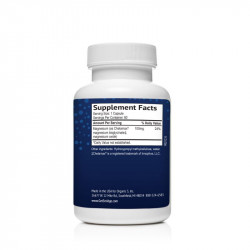
The total weight of a magnesium compound is not the same as the amount of elemental magnesium it provides. Reading the supplement facts panel helps you understand what you are actually getting per serving.
3. Ingredient quality
Products with clearly listed ingredients and without unnecessary additives may be preferable for people who value simple formulations.
4. Personal tolerance
Everyone is different. A product that works well for one person may not necessarily be the most suitable choice for someone else, particularly if they have sensitive digestion.
Quick Fact
More milligrams do not automatically mean a better supplement. The form of magnesium, ingredient quality and suitability for your individual needs are equally important.
Recommended Products at Vita-Store
If you're exploring magnesium supplements, the following products are available in the Vita-Store range:
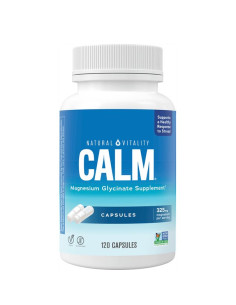
- Calm Magnesium Glycinate – Natural Vitality
A magnesium glycinate formula designed for everyday use.
- Magnesium Glycinate – Pure Encapsulations
A minimalist formulation with carefully selected ingredients.
- Smidge® Evening Magnesium
Part of the Smidge range, formulated for an evening routine.
- Circadian Sleep – Life Extension
A comprehensive evening formula that can complement a consistent bedtime routine. Always read the label before use.
Rather than asking which product is "the best", it is often more useful to ask which one best fits your individual routine, dietary preferences and personal needs.
Simple Habits That Often Matter More Than Supplements
Food supplements can play a role in supporting a balanced lifestyle, but they work best alongside healthy daily habits.
Before reaching for a supplement, it may be worth reviewing a few simple questions:
- Are you sleeping in a cool, comfortable bedroom?
- Do you spend some time outdoors in natural daylight every morning?
- Are you drinking enough fluids during warmer weather?
- Do you have a fairly consistent bedtime?
- Is your evening screen time affecting your sleep routine?
Often, improving these habits creates the biggest difference to how rested and energised you feel during summer.
Vita-Store Tip
Think of supplements as part of a wider wellbeing routine—not as a replacement for sleep, hydration, balanced nutrition or regular physical activity.
Bringing It All Together
Feeling more tired during summer doesn't necessarily mean something is wrong. In many cases, it reflects the way seasonal changes influence our body's natural rhythms.
Longer daylight hours, warmer temperatures, disrupted routines and travel can all affect sleep quality and daily energy. Fortunately, small lifestyle adjustments often help restore balance.
Prioritising hydration, creating a cooler sleep environment, maintaining consistent daily habits and ensuring an adequate intake of essential nutrients are practical steps that support overall wellbeing throughout the summer months.
Conclusion
Summer is often associated with relaxation, holidays and more time outdoors, yet many people find themselves feeling less energetic than expected. This is rarely due to a single cause. Instead, longer daylight hours, warmer nights, travel, hydration and changes in daily routines often work together to influence sleep quality and overall wellbeing.
The encouraging news is that small, consistent habits can make a meaningful difference. Morning daylight exposure, a cooler bedroom, regular hydration, balanced meals and a consistent evening routine all help support your body's natural rhythm.
Magnesium also plays an important role in normal physiological functions. According to authorised EU health claims, it contributes to normal energy-yielding metabolism, normal functioning of the nervous system, normal muscle function and the reduction of tiredness and fatigue.
If you are considering a magnesium supplement, look beyond the number on the front of the label. Choosing the appropriate form, quality ingredients and a formulation that suits your individual preferences is often more important than simply selecting the product with the highest dose.
Ultimately, supporting your wellbeing during summer isn't about finding a single solution. It's about combining healthy daily habits with informed choices that fit your lifestyle.
Frequently Asked Questions
Why do I feel more tired during summer?
Summer fatigue is often linked to a combination of factors including longer daylight hours, warmer temperatures, disrupted routines, travel and changes in hydration. These factors may influence sleep quality and daily energy levels.
Can hot weather affect sleep?
Yes. Warm bedrooms may make it more difficult for the body to cool naturally before sleep, which can reduce overall sleep quality and increase night-time awakenings.
Does dehydration contribute to tiredness?
Even mild dehydration may contribute to reduced concentration and feelings of fatigue. Drinking fluids regularly throughout the day is particularly important during hot weather.
Does magnesium improve sleep?
Magnesium contributes to normal functioning of the nervous system, normal muscle function, normal energy-yielding metabolism and the reduction of tiredness and fatigue. Individual experiences vary, and magnesium should not be considered a treatment for sleep disorders.
When is the best time to take magnesium?
There is no single best time for everyone. Some people prefer taking magnesium in the evening as part of their daily routine, while others choose a different time of day. Always follow the manufacturer's recommended directions for use.
Should everyone take a magnesium supplement?
No. Many people obtain magnesium through a varied and balanced diet. Food supplements may be appropriate for some individuals, but they should complement—not replace—a healthy diet and lifestyle.
References
- European Commission. EU Register of Nutrition and Health Claims made on Foods.
- European Food Safety Authority (EFSA). Scientific Opinion on Dietary Reference Values for Magnesium.
- National Institutes of Health (NIH), Office of Dietary Supplements. Magnesium Fact Sheet for Health Professionals.
- Walker WH II, Bumgarner JR, Walton JC, et al. Circadian rhythm disruption and human health. Endocrine Reviews.
- Stothard ER, McHill AW, Depner CM, et al. Circadian Entrainment to the Natural Light-Dark Cycle across Seasons. Current Biology.
- Centers for Disease Control and Prevention (CDC). Healthy Sleep Habits.
Disclaimer
The information provided in this article is intended for general educational purposes only and should not be considered medical advice. Food supplements should not be used as a substitute for a varied and balanced diet and a healthy lifestyle.
If you are pregnant, breastfeeding, taking medication or have an existing medical condition, consult a qualified healthcare professional before starting any new food supplement.
Always read the product label carefully and follow the recommended directions for use.