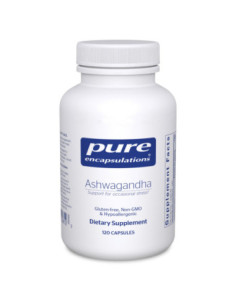
Ashwagandha (Withania somnifera) has a long history of traditional use and is now widely sold as a food supplement. You will often see it called an “adaptogen”. This is a descriptive traditional or marketing term, not an authorised EU health claim, so it should not be treated as proof of a specific effect.
What does the research actually suggest?
Several small, short-term studies have examined ashwagandha extracts in relation to perceived stress and sleep. Some reported improvements compared with placebo, but the trials used different extracts, doses and outcome measures. Many were small and short, which limits how confidently the results can be applied to everyday supplement use.
In other words, the findings are interesting, but they do not establish that every ashwagandha product will have the same effect—or that it will help everyone.
Stress and everyday wellbeing
Research has explored whether certain standardised extracts may influence self-reported stress scores. The evidence is not strong enough to promise a result, and a supplement is not a substitute for professional help when stress is persistent, severe or affecting daily life.

Sleep
Some trials have also examined sleep quality and sleep duration. The possible benefit appears modest and the certainty remains limited. Ongoing insomnia, loud snoring, breathing pauses or marked daytime sleepiness deserve medical assessment rather than self-treatment with a supplement.
Extracts are not interchangeable
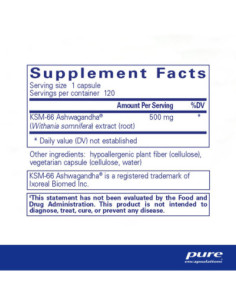
Ashwagandha supplements may contain root, leaf, or a combination, and extraction methods can differ substantially. Labels may mention withanolides, but percentages alone do not make two products equivalent. When comparing options, check:
- which plant parts are used;
- whether the extract is standardised and how that is stated;
- the amount per daily serving rather than per capsule;
- the full ingredient list, including allergens and excipients;
- clear batch, expiry and manufacturer information.
How much should you take?
There is no single dose that is right for everyone. Trial doses are research details, not personalised recommendations, and different extracts cannot be compared milligram for milligram. Follow the product label and ask a doctor or pharmacist if you take medicines or have a health condition. Taking more than directed does not guarantee a better result.
Safety and interactions
Short-term use is often tolerated, but side effects can include stomach upset, diarrhoea, nausea and drowsiness. Rare cases of liver injury have been reported. Stop using the product and seek medical advice if you notice symptoms such as yellowing of the skin or eyes, dark urine, unusual itching, persistent nausea or abdominal pain.
Ashwagandha may affect thyroid function and may interact with medicines, including sedatives, anticonvulsants, immunosuppressants, thyroid medicines, and medicines for blood pressure or blood glucose. Long-term safety is not well established.

Who should avoid it or ask first?
- Do not use during pregnancy or breastfeeding unless a qualified clinician specifically advises it.
- Ask a clinician first if you have thyroid, autoimmune or liver problems.
- Discuss use before surgery and if you take regular medication.
- Keep supplements out of reach of children.
A sensible way to decide
- Start with your goal: stress, sleep and fatigue can have many causes.
- Check whether symptoms need medical assessment.
- Compare the exact extract and daily serving, not just the front-label claim.
- Review medicines and health conditions with a pharmacist or doctor.
- If you try it, use one product at a time and stop if you develop concerning symptoms.
Bottom line
Ashwagandha is a widely used botanical with some promising but still limited short-term research. Product differences, uncertain long-term safety and the possibility of interactions matter. A cautious choice starts with a transparent label and realistic expectations—not a guaranteed stress or sleep promise.
Sources
This article is for general information and does not replace medical advice.