Glutathione is essential inside the body. That does not automatically make every glutathione supplement effective. The useful question is whether a defined oral product produces a meaningful outcome in people—not whether the molecule matters in a test tube.
Key takeaways
Glutathione has an established biological role; supplement benefits are a separate question.
Oral trials report mixed changes in glutathione measurements.
Liposomal and precursor products cannot be assumed equivalent.
No glutathione-specific health claim is authorised for food supplements.
What glutathione does—and what that does not prove
Glutathione is made from cysteine, glutamate and glycine. Cells use its reduced form, GSH, in antioxidant and enzyme systems. This biochemistry is well established. Advertising often makes an extra leap: from “the body needs it” to “taking more will detoxify, protect the liver or slow ageing”. Human trials do not support that broad conclusion.
Its role in the body and the effect of a supplement are two different questions.
What human research has found
Two often-cited trials reached different results. A six-month randomised trial found that 250 or 1,000 mg daily increased glutathione in several body compartments. An earlier four-week trial found no significant change in glutathione status or oxidative-stress markers. Formulation, dose, duration and the people studied may help explain the difference.
Even when a laboratory value rises, that is not automatically a health benefit. For most outcomes promoted online—detoxification, liver protection, glucose control, immunity, mood or healthy ageing—large, well-replicated oral-supplement trials are still missing. Small skin-pigmentation studies report some changes, but leave questions about methods, durability and long-term safety.
Standard, liposomal and precursor products
Standard reduced glutathione, liposomal liquids, S-acetyl glutathione and precursor products are not interchangeable. Liposomal products are designed to protect the ingredient during digestion. A small pilot study reported higher glutathione measurements, but did not establish broad clinical benefits.
N-acetylcysteine (NAC) supplies cysteine used in glutathione synthesis. Its medical use in paracetamol poisoning is a specialist treatment; it is not proof that routine NAC or glutathione supplements “detox” healthy people.
Why levels differ between people
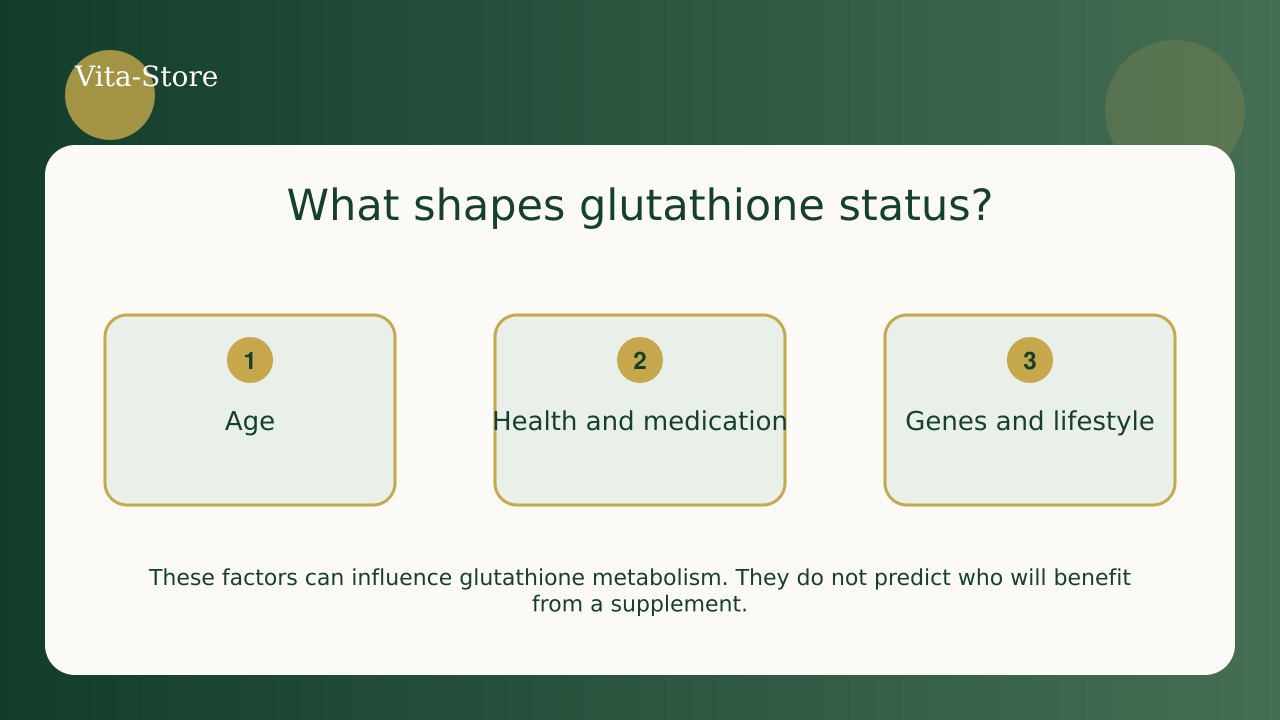
Age, diet, health status, medicines, smoking and genetic variation can influence glutathione metabolism. These population-level influences neither diagnose a deficiency at home nor predict who will benefit from a supplement.
These factors are not a ranking and do not promise a supplement effect.
Safety and interactions
Short oral studies most often report bloating, cramps or loose stools. Long-term safety data remain limited, and intravenous glutathione belongs to medical care rather than the supplement aisle.
Ask a doctor or pharmacist before use if you are pregnant or breastfeeding, have asthma or liver or kidney disease, take regular medicines, or are preparing for surgery. During chemotherapy, radiotherapy or immunotherapy, do not add antioxidant supplements without the oncology team’s agreement.
What the rules mean in practice
Glutathione has no authorised specific health claim in the EU Register. Educational discussion of research is possible, but product marketing may not turn preliminary findings into promises to detoxify the body, protect the liver, boost immunity, treat diabetes or prevent disease. The NVWA applies the same distinction between authorised health claims and prohibited medical claims.
EFSA has not established a general tolerable upper intake level for glutathione. This does not mean every dose is safe; it means there is no official population-wide upper limit. Follow the label and seek individual advice when medicines or health conditions complicate the choice.
How to compare products
Compare the exact form and amount per full daily serving. With liquids, check storage after opening and allergens such as soy. Treat “master antioxidant”, “detox” and disease-related promises as marketing rather than evidence.
— Lexa
My practical view: glutathione biology is fascinating, while the supplement evidence is much narrower. A transparent label and realistic expectations are more useful than a fashionable delivery term.
This article provides general information and does not replace individual medical advice.
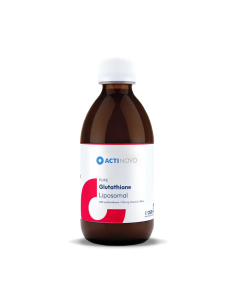
Food supplement with glutathione in liposomal form.
Liposomal Glutathione by ActiNovo Pure provides glutathione in a liquid liposomal format for convenient daily supplementation.
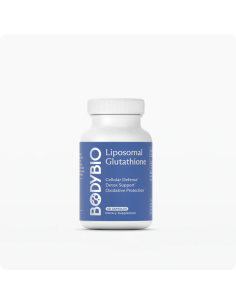
Food supplement with reduced L-glutathione.
BodyBio Liposomal Glutathione provides 250 mg reduced L-glutathione per capsule, delivered in a sunflower and palm oil lipid blend for convenient daily use.
A gentle, hypoallergenic supplement that provides reduced L-glutathione.
Glutathione is a biologically active sulfur tripeptide of cysteine, glutamic acid and glycine.
You need to login or create account
Save products on your wishlist to buy them later or share with your friends.