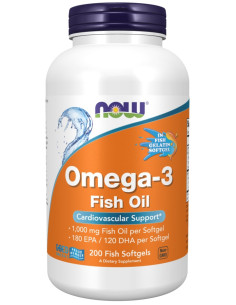
Omega-3 EPA/DHA, curcumin, Boswellia serrata extract, and hydrolysed collagen peptides are among the joint-related ingredients most often studied in nutrition research. A systematic review and meta-analysis covering 20 supplement categories found mixed results across trials, with evidence quality ranging from very low to high depending on the ingredient and outcome measured. This is a developing research area rather than a settled one, so it's worth reading claims about any single ingredient with some caution.
If you're considering trying a supplement, a sensible approach is to introduce one product at a time and follow the dose stated on the label. Speak to your doctor first if you take anticoagulants, are pregnant, or have a diagnosed inflammatory condition — and see a doctor promptly if you notice red-flag symptoms such as sudden swelling, fever, or rapidly worsening joint function.
Ingredients most often researched in relation to joints include:
- Omega-3 EPA/DHA (fish oil): a widely researched area in relation to joints and inflammatory pathways
- Curcumin/turmeric (enhanced formulations): a widely researched botanical compound, though not linked to any authorised EU health claim for joints
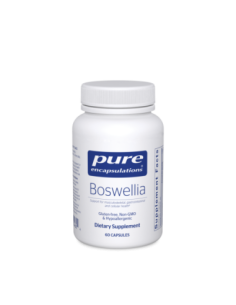
- Boswellia serrata: a botanical extract with an emerging research base
- Hydrolysed collagen peptides: studied in relation to cartilage structure
- Glucosamine sulphate: widely used; research findings are mixed, and no EU-authorised health claim currently exists for it
Key takeaways
If you decide to try a joint-health supplement, introduce one at a time, follow the dose on the label consistently, and speak to your doctor first if you take anticoagulants or are pregnant.
| Point |
Details |
| Research is ongoing |
Several ingredients are the subject of active clinical research; findings vary by study, and long-term structural benefit has not been established for any of them. |
| Formulation matters |
Glucosamine sulphate and glucosamine hydrochloride are different forms; some curcumin formulations use piperine or other technologies to improve bioavailability, such as BCM-95. |
| Trial one product at a time |
Introduce one product at a time and follow the dose stated on the label, rather than combining several at once. |
| Safety checks matter |
Speak to a doctor or pharmacist if you take anticoagulants, are pregnant, or have a diagnosed inflammatory condition. |
| Vita-Store curated options |
Vita-Store stocks clearly labelled formulations from Life Extension, Kirkman, and Nutramedix, with ingredient amounts disclosed on each product page. |
Table of Contents
What the evidence actually shows for each joint health supplement
1. Glucosamine sulphate and chondroitin
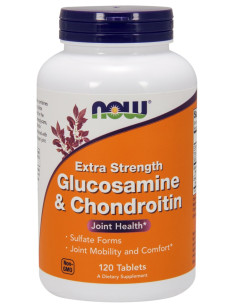
Glucosamine sulphate is a widely used supplement, structurally related to a component of cartilage. Research findings across trials are mixed, and glucosamine hydrochloride has generally performed less consistently than the sulphate form. Chondroitin sulphate is often combined with glucosamine in commercial products. There is currently no EU-authorised health claim for either ingredient relating to joint function, so any potential benefit should be considered an active research question rather than an established effect.
Research status: Mixed findings across studies; the sulphate form of glucosamine has more consistent research support than the hydrochloride form.
2. Omega-3 fatty acids (EPA and DHA)
Fish oil is one of the more researched ingredients in general joint and inflammation-related nutrition research. Standard fish oil capsules vary considerably in EPA+DHA content, so it's worth checking the amount stated on the label rather than assuming all products are equivalent. Vegetarians and vegans can use algal oil, which provides DHA and EPA directly without a fish source.
Research status: An active area of research in relation to joints and inflammatory pathways; findings vary depending on the population and outcomes studied.
Plain turmeric powder has poor bioavailability. Curcumin has relatively low oral bioavailability, and some formulations use piperine (black pepper extract) or specialised delivery technologies such as BCM-95 to improve absorption. Stanford Medicine's lifestyle guidance notes that enhanced formulations are more consistently represented in clinical research than standard curcumin powder.
Research status: An active research area; formulation and bioavailability appear to matter more than the raw curcumin content on a label.
4. Hydrolysed collagen peptides and undenatured type II collagen
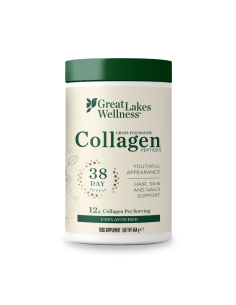
Collagen is the structural protein of cartilage. Hydrolysed collagen peptides (also called collagen hydrolysate) are broken down into smaller fragments that are more readily absorbed. Undenatured type II collagen (UC-II) is a distinct form, generally used at much smaller amounts than hydrolysed collagen. Both forms are worth distinguishing on product labels, as they are not interchangeable.
Research status: An emerging and growing research area, particularly in relation to cartilage structure. Vita-Store stocks bovine collagen peptides with the amount per serving disclosed on the label.
5. Boswellia serrata
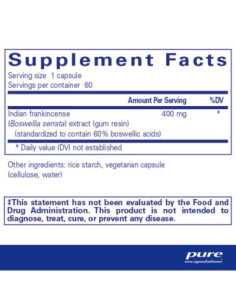
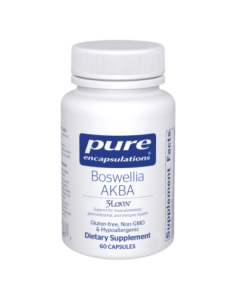
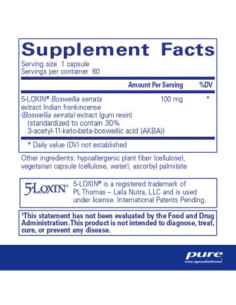
Boswellia serrata extract, standardised for AKBA (acetyl-11-keto-β-boswellic acid), is a botanical ingredient with a growing research base. The 5-Loxin and Aflapin branded extracts are among the more studied standardised forms. The Arthritis Foundation includes Boswellia among the botanical ingredients researchers have studied in relation to joints.
Research status: An active and growing research area; studies often use standardised extracts with disclosed AKBA content.
6. MSM (methylsulfonylmethane)
MSM is a sulphur-containing compound found naturally in some foods. It is often combined with glucosamine in commercial products, which makes it difficult to attribute any effect to a single ingredient. The overall research base for MSM specifically is smaller than for omega-3 or curcumin.
Research status: A smaller and less consistent evidence base than several other ingredients on this list.
7. SAM-e (S-adenosylmethionine)
SAM-e is a compound studied in relation to joints, though its research base is smaller than for some other ingredients here. It carries specific cautions: it should not be used by people with bipolar disorder, and it requires medical supervision if combined with antidepressants due to a risk of interaction.
Research status: A more limited research base, with notable safety considerations — speak to a doctor before use if you take antidepressants or have a mood disorder.
Ginger contains gingerols and shogaols, compounds that are a subject of ongoing nutrition research, though not linked to any authorised EU health claim for joints. Its research base specifically relating to joints is smaller than for some other ingredients on this list, and any effect appears modest.
Research status: A smaller evidence base; often used alongside other ingredients rather than on its own.
9. Vitamins and minerals relevant to joint health
Vitamin D contributes to the maintenance of normal bones, and many adults across Europe have low vitamin D status, particularly in autumn and winter. Vitamin C contributes to normal collagen formation for the normal function of bones and cartilage. Vitamin K contributes to the maintenance of normal bones, and calcium is needed for the maintenance of normal bones. These are among the few joint-related nutrients with an authorised EU health claim, and they support the broader structural environment around joints rather than acting as pain relief.
Research status: Vitamin D, vitamin C, vitamin K and calcium each have an authorised role in normal bone maintenance or collagen formation, as part of a balanced diet.
What researchers are looking at, and why
Understanding why researchers study a particular ingredient can help you make sense of the evidence — though a research rationale is not the same as a proven outcome or an authorised health claim.
Inflammation-related research. Omega-3 fatty acids (EPA and DHA), curcumin, and Boswellia are among the ingredients researchers have studied in relation to the body's inflammatory response generally. This research is most often discussed alongside inflammatory joint conditions, where the immune system plays a central role — but none of these ingredients currently carry an authorised EU health claim for joints specifically, so this remains a research question rather than an established effect.

Cartilage-related nutrients. Glucosamine and chondroitin are structural components found in cartilage. Collagen peptides supply amino acids relevant to collagen structure. Whether supplementing these translates into a measurable, long-term structural difference remains an open research question, and neither ingredient currently has an authorised EU health claim.
Antioxidant-related nutrients. Vitamin C, vitamin E, and pycnogenol (pine bark extract) are studied in relation to oxidative stress in body tissues generally.
Pro Tip: A research rationale does not guarantee a noticeable effect for any individual, and it isn't the same as an authorised health claim. This is part of why so few joint-related ingredients currently carry one — the vitamins and minerals covered earlier in this article are the exception, not the rule.
Safety, side effects, and drug interactions you should know
Most joint supplements are well tolerated when the label's dose is followed, but several carry specific risks worth knowing before you start.
Points to be aware of, by ingredient:
- Fish oil: gastrointestinal upset, fishy aftertaste, or loose stools at high intakes; taking it with food may help
- Glucosamine: mild gastrointestinal discomfort; check the label if you have a shellfish allergy, as some sources are shellfish-derived
- Curcumin: mild gastrointestinal disturbances, particularly at higher intakes
- SAM-e: nausea, gastrointestinal upset, insomnia, or anxiety; avoid if you have bipolar disorder or are taking antidepressants without medical supervision
- Boswellia: generally well tolerated; occasional gastrointestinal upset
Interactions and cautions to discuss with a doctor or pharmacist:
- Anticoagulants (warfarin, DOACs): high intakes of omega-3, glucosamine, and ginger may all affect bleeding risk or interact with anticoagulant therapy. Speak to your doctor or pharmacist before starting any of these if you are on blood thinners.
- Pregnancy and breastfeeding: cod liver oil and other fish liver oils carry a vitamin A intake risk in pregnancy; standard fish body oil (not liver oil) is generally considered a safer choice, but always confirm with a midwife or doctor first.
- Anti-inflammatory medication: some supplements (fish oil, curcumin) have effects that may overlap with anti-inflammatory medicines; this is usually not a problem but worth mentioning if you are on prescription anti-inflammatories.
- Vitamin A intake: separate from fish liver oil, high intakes of vitamin A from multiple combined sources are worth checking, since the tolerable upper intake level can be reached more easily than expected.
If you experience an adverse reaction to a supplement, stop taking it and speak to your doctor or pharmacist.
Pro Tip: Before your next doctor or pharmacist appointment, write down every supplement you take, including the dose and brand. Many interactions are dose-dependent, and your pharmacist can flag risks that a brief consultation might miss.
What systematic reviews and clinical trials tell us
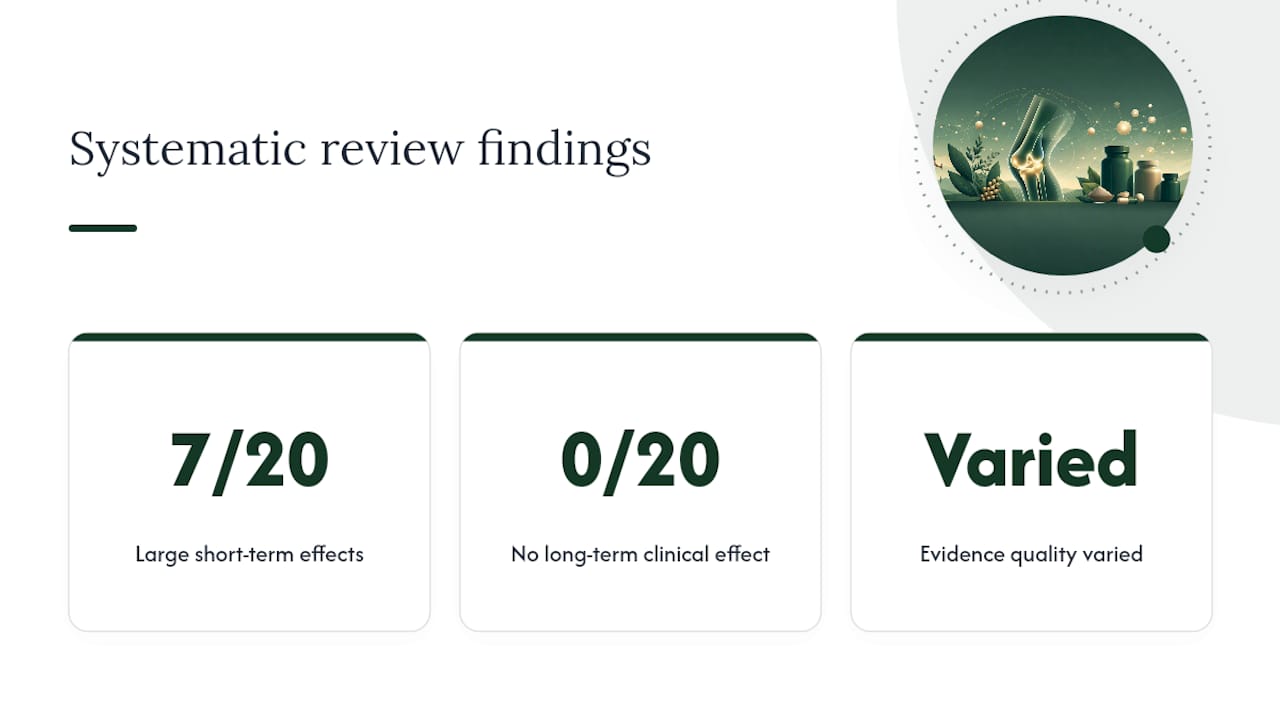
The most informative single source for this area is a 2018 systematic review and meta-analysis covering 20 supplement categories for osteoarthritis. Its headline finding was that results varied substantially by ingredient and outcome measured, with evidence quality ranging from very low to high, and no ingredient demonstrating a consistent long-term structural benefit.
Collagen hydrolysate, Curcuma longa extract, Boswellia, pycnogenol, and L-carnitine showed more favourable short-term findings in at least some trials, while glucosamine and chondroitin showed more modest and variable effects.
From the 2018 systematic review: results varied considerably across the 20 supplement categories studied, with evidence quality ranging from very low to high depending on the ingredient and outcome measured. No ingredient showed a consistent long-term structural benefit.
Why the evidence is complicated. Trials use different formulations, doses, and outcome measures, so results are not always directly comparable — a trial of plain turmeric powder is not comparable to one using an enhanced curcumin formulation. Small sample sizes can also inflate effect estimates, and industry funding is common in supplement research, which can introduce bias. None of this means these ingredients are ineffective; it means the research should be read carefully rather than taken as settled.
How this article summarised the evidence. Priority was given to systematic reviews and meta-analyses, followed by individual clinical trials and general research commentary. Where trial evidence is described, it reflects the current, still-developing state of the research rather than an authorised health claim.
How to choose a quality joint supplement
Product quality varies considerably. These checks help you avoid wasted money and unnecessary risk.
-
Always follow the dose stated on the product label rather than a figure from an article, and don't exceed it.
-
Note the glucosamine salt form. Sulphate and hydrochloride forms are not identical; if a product doesn't specify which one it contains, that's worth checking with the manufacturer.
-
Look for standardised botanical extracts. For Boswellia, look for disclosed AKBA content. For curcumin, some formulations use piperine or other technologies, such as BCM-95, to improve bioavailability — plain turmeric powder is generally considered to deliver much lower curcumin levels by comparison.
-
Check for third-party testing and a certificate of analysis (COA). Some manufacturers and retailers make batch-specific COAs available, confirming active ingredient content and the absence of contaminants. A product page that lists only marketing claims without ingredient specifics is worth treating with caution.
-
Avoid proprietary blends that hide individual amounts. A label listing a "Joint Support Blend" with several ingredients under one combined weight tells you nothing about whether any single ingredient is present at a meaningful amount.
-
Consider formulation and absorption. Curcumin is generally taken with a meal containing some fat. Collagen peptides are commonly available in powder or capsule form. Liquid formulations aren't inherently better than capsules for most joint supplements, but may suit people who find capsules difficult to swallow.
-
Buy from retailers with clear product pages. Transparent labelling, linked COAs, and brand information are practical quality signals. Vita-Store stocks formulations from brands including Life Extension, Kirkman, and Nutramedix, with product pages that list active ingredients and sourcing information.
When to see a doctor
Supplements are a consideration for people without a serious underlying joint condition. Several situations call for medical review before or instead of starting a supplement.
See a doctor promptly if you notice:
- Unexplained joint swelling, particularly if warm and red
- Fever or a high temperature alongside joint pain
- Rapidly worsening joint function over days or weeks
- Sudden, severe joint pain with no clear cause
- Unexplained weight loss, night sweats, or persistent fatigue alongside joint symptoms
- A hot, swollen joint with fever — this needs urgent medical attention
Speak to a doctor or pharmacist before starting a supplement if you:
- Currently take warfarin, a DOAC, or any anticoagulant
- Are pregnant, breastfeeding, or planning a pregnancy
- Have a diagnosed or suspected autoimmune inflammatory condition (such as rheumatoid or psoriatic arthritis)
- Have existing liver or kidney disease
- Have a mood disorder, or take antidepressants (relevant to SAM-e specifically)
Practical preparation. Bring a written list of your current medications and the supplement label to your appointment, and ask specifically about interactions.
Realistic expectations: a note on what supplements can and cannot do
Research into several of these ingredients is genuine and ongoing, and some people report a noticeable difference from individual products. What supplements don't do is reverse structural joint damage or replace the role of physical activity, weight management, and appropriate medical care.
A pragmatic approach is to select one product relevant to your situation and follow the label consistently, rather than introducing several supplements at once — this makes it easier to notice what, if anything, changes for you.
Different ingredients are studied for different biological reasons. Omega-3 and curcumin frequently appear in research on inflammatory pathways, while collagen and glucosamine are more often studied in relation to cartilage structure. These research contexts should not be interpreted as established treatment recommendations — matching an ingredient to your specific situation is a conversation worth having with your doctor rather than a choice to make from an article alone.
Quality joint supplements, curated and clearly labelled
Vita-Store is a specialist online retailer stocking supplement brands including Life Extension, Kirkman, and Nutramedix. Every product page lists active ingredients, amounts, and brand sourcing, so you can cross-reference what you read here against what is actually in the product.
For joint health specifically, the ingredients discussed most often in research are available in clearly labelled, standardised forms: fish oil with specified EPA/DHA content, curcumin formulations with enhanced bioavailability, and collagen peptides with amounts disclosed on the label. Vita-Store's best-selling supplements include options from brands that provide detailed formulation information and, in some cases, certificates of analysis or standardised extracts. If you are on medication or have a diagnosed condition, confirm suitability with your doctor or pharmacist before purchasing. Browse the full range at Vita-Store.
Sources
This article is general information, not a substitute for advice from a qualified doctor. Food supplements are not a substitute for a varied and balanced diet and a healthy lifestyle. Consult a qualified healthcare professional about your own circumstances before acting on anything here.
Recommended