Iron labels can look deceptively simple. Two products may both say “iron” while using different compounds, providing very different amounts of elemental iron and causing different digestive effects. The best choice is therefore not automatically the strongest or newest form: it is the one that matches a confirmed need and that you can tolerate consistently.
Key takeaways
Compare the amount of elemental iron, not the weight of the whole compound.
Ferrous salts are well studied and economical; bisglycinate and protein-bound forms may be easier for some people to tolerate.
Vitamin C increases iron absorption. Tea, coffee and calcium can reduce absorption when taken close to iron.
Iron is not a routine “just in case” supplement. A blood test and professional advice matter, especially with higher doses.
Tiredness alone does not prove iron deficiency. Haemoglobin, ferritin and the clinical context need to be interpreted together; inflammation can also make ferritin harder to read. Iron deficiency has several possible causes, including blood loss, low intake and impaired absorption. Treating the number without finding the reason can delay the right care. Pregnancy, heavy menstrual bleeding, digestive disease, medicines and supplementation for a child all deserve individual guidance.
The main oral forms, without the marketing gloss
Ferrous sulfate, fumarate and gluconate are established, inexpensive choices. They differ mainly in how much elemental iron they provide. Iron bisglycinate binds iron to glycine and may be better tolerated by some users. Protein-bound ferric iron and other ferric complexes offer another option when standard salts are uncomfortable. Sucrosomial and liposomal iron use newer delivery systems; the evidence is developing, but a higher price does not by itself prove a better result. Heme iron is animal-derived and follows a different absorption route, but it is less common in European supplement ranges.
Absorption: timing matters, but perfection is unnecessary
Vitamin C increases iron absorption—this is an authorised EU health claim. Tea and coffee polyphenols, phytates and calcium can reduce uptake around a dose. Taking iron on an empty stomach may maximise absorption, but taking it with a small meal can be a sensible compromise if nausea otherwise makes you stop. Some medicines, including levothyroxine and certain antibiotics, must be separated from iron; follow the medicine leaflet or ask a pharmacist. Alternate-day schedules are studied in clinical care, but the dose and schedule should follow the reason for treatment rather than a general internet rule.
Side effects and safety
Constipation, nausea, abdominal discomfort, diarrhoea and dark stools are common. Liquid iron can stain teeth. Switching form or timing may help, but persistent symptoms deserve advice. EFSA could not establish a conventional upper intake level for iron; in 2024 it set a safe level of 40 mg/day for adults from all sources, not a target and not a treatment limit. It does not apply to medically supervised treatment of diagnosed deficiency. Iron overdose can be especially dangerous for children, so every product must be stored out of reach.
How to read the label
Look for the line that states “iron” in milligrams. That is normally the elemental amount used for the nutrition declaration. Do not compare a large compound weight such as “ferrous fumarate 100 mg” with another product’s elemental iron figure. Also add iron from multivitamins, prenatal products and separate supplements before judging the total.
A practical way to choose
Start with the confirmed need and the elemental dose recommended for it. Then choose a form you can take consistently. If a standard salt causes problems, a bisglycinate, protein-bound or liquid option may be worth discussing. More expensive technology is useful only when it solves a real problem such as tolerability. Recheck blood values at the interval advised by your clinician; do not continue a high dose indefinitely simply because the first bottle helped.
Four relevant options at Vita-Store
These products illustrate different formats and formulations; they are not interchangeable treatment recommendations. Check the current label and ask for individual advice when treating a deficiency.
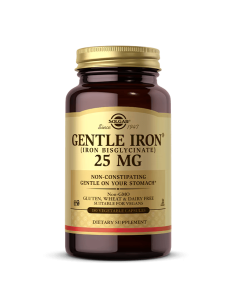
Food supplement with iron bisglycinate.
Solgar® Gentle Iron® provides iron in the bisglycinate form, designed for good tolerability and absorption. Iron contributes to normal red blood cell and haemoglobin formation, normal oxygen transport in the body and the reduction of tiredness and fatigue.
This hypoallergenic formula delivers iron as ferrous bisglycinate chelate (Ferrochel®).
Each capsule provides 25 mg of highly bioavailable, well-tolerated iron.
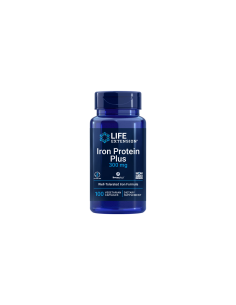
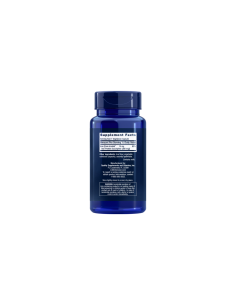
Food supplement with Iron (as IronAid® Iron Protein Succinylate).Each serving provides 15 mg (107% NRV) of Iron (from IronAid® Iron Protein Succinylate, 300 mg).