Vitamin B12 deficiency can develop gradually and may affect blood formation, the nervous system and thinking. Tiredness, breathlessness, tingling or balance changes have many possible causes, so symptoms alone cannot confirm a deficiency. A pattern of persistent or worsening symptoms deserves medical assessment.
Important: a food supplement cannot diagnose or treat vitamin B12 deficiency. Seek prompt medical advice for progressive numbness, new problems with walking or balance, marked confusion, chest pain, fainting or severe breathlessness.
Key points at a glance
| Point |
What it means |
| Symptoms may overlap |
Fatigue, pallor and breathlessness can occur with anaemia, while tingling and poor balance may indicate neurological involvement. |
| A normal blood count is not enough |
Neurological symptoms may occur without obvious anaemia, so clinical context matters. |
| Risk factors guide testing |
Diet, age, medicines, gastrointestinal conditions and surgery can all affect B12 status. |
| Early assessment matters |
Some neurological effects may not fully resolve when deficiency has been prolonged. |
Physical and anaemia-related symptoms
Vitamin B12 is needed for normal red blood cell formation. When deficiency disrupts this process, megaloblastic anaemia may develop. Possible symptoms include:
- persistent tiredness or weakness;
- shortness of breath during ordinary activity;
- palpitations;
- pale or slightly yellow skin;
- headache, dizziness or reduced exercise tolerance.
These signs are not specific to B12 deficiency. Iron deficiency, folate deficiency, thyroid problems, infection and many other conditions can cause similar complaints, which is why testing and professional interpretation are important.
Neurological symptoms to recognise
Vitamin B12 is involved in normal nervous-system function. Deficiency can be associated with:
- pins and needles or numbness, often in the feet or hands;
- reduced vibration or position sense;
- unsteadiness, coordination problems or difficulty walking;
- muscle weakness;
- visual changes in some cases.

Neurological signs can occur even when anaemia is absent. Do not wait for several “classic” symptoms to appear if tingling, numbness or balance changes persist or progress.
Why timing matters
Treatment often improves symptoms, but recovery varies and longstanding neurological damage may be incomplete. This does not mean every episode of tingling is caused by B12 deficiency; it means persistent or progressive neurological symptoms need proper assessment.
Can low B12 affect mood and thinking?
Possible cognitive or psychological features include difficulty concentrating, memory problems, irritability, low mood and confusion. These symptoms also have many other causes. In an older adult, a sudden change in mental state needs urgent medical evaluation rather than self-treatment with a vitamin.
Mouth and digestive signs
Some people develop a sore, smooth, red tongue, mouth ulcers, reduced appetite, nausea, diarrhoea or unintentional weight loss. Digestive symptoms may be especially relevant when an absorption problem is present, but none of these features confirms B12 deficiency on its own.
Who is at higher risk?
- people following a vegan diet without reliable fortified foods or supplementation;
- older adults, because absorption may decline;
- people with pernicious anaemia or other causes of impaired intrinsic factor;
- people who have had bariatric, stomach or intestinal surgery;
- people with coeliac disease, Crohn’s disease or other malabsorption conditions;
- long-term users of metformin or acid-suppressing medicines, when clinically relevant;
- people using nitrous oxide repeatedly, which can inactivate vitamin B12.
Belonging to a risk group does not prove deficiency. It helps a clinician decide whether testing or preventive advice is appropriate.

How is vitamin B12 deficiency assessed?
A clinician may consider symptoms, diet, medicines and medical history together with tests such as a full blood count and serum B12. Depending on the result and local practice, additional tests may include active B12, methylmalonic acid, homocysteine, folate or tests for pernicious anaemia. No single result should be interpreted without the wider clinical picture.
Do not start high-dose B12 just before testing without advice
Supplement use can affect test results. If assessment is planned, tell the clinician exactly what you take and when you started it. Urgent neurological symptoms should never be left untreated merely to preserve a laboratory result; follow medical instructions.
Food sources and supplements
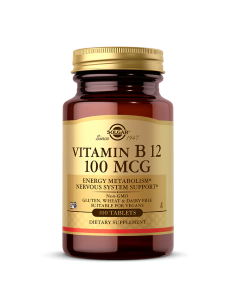
Vitamin B12 occurs naturally mainly in animal-derived foods such as meat, fish, eggs and dairy. Fortified foods can provide B12 in plant-based diets. Supplements are available in different forms and doses, including cyanocobalamin and methylcobalamin.
EU-authorised claims state that vitamin B12 contributes to normal red blood cell formation, normal functioning of the nervous system, normal psychological function and the reduction of tiredness and fatigue. These claims apply only when a product meets the legal conditions for being a source of vitamin B12. They do not mean that a supplement treats anaemia, neuropathy, depression or another disease.
When professional advice is especially important
Speak with a doctor or pharmacist before relying on a supplement if you have neurological symptoms, a diagnosed absorption disorder, previous gastrointestinal surgery, pernicious anaemia, pregnancy, significant illness or regular medicine use. Confirmed deficiency may require a treatment regimen different from an ordinary food supplement.
When to seek help
- Prompt assessment: persistent tingling, spreading numbness, new balance problems, worsening memory or unexplained fatigue with risk factors.
- Urgent care: sudden neurological symptoms, severe breathlessness, chest pain, fainting or acute confusion.
A symptom checklist is a useful reason to ask questions, not a diagnosis. Avoid taking folic acid alone for suspected B12 deficiency without advice, because it may improve the blood picture while neurological problems continue.
Sources